Physiological Mechanisms Maintaining Energy Balance
Published: February 2026 | Category: Physiology
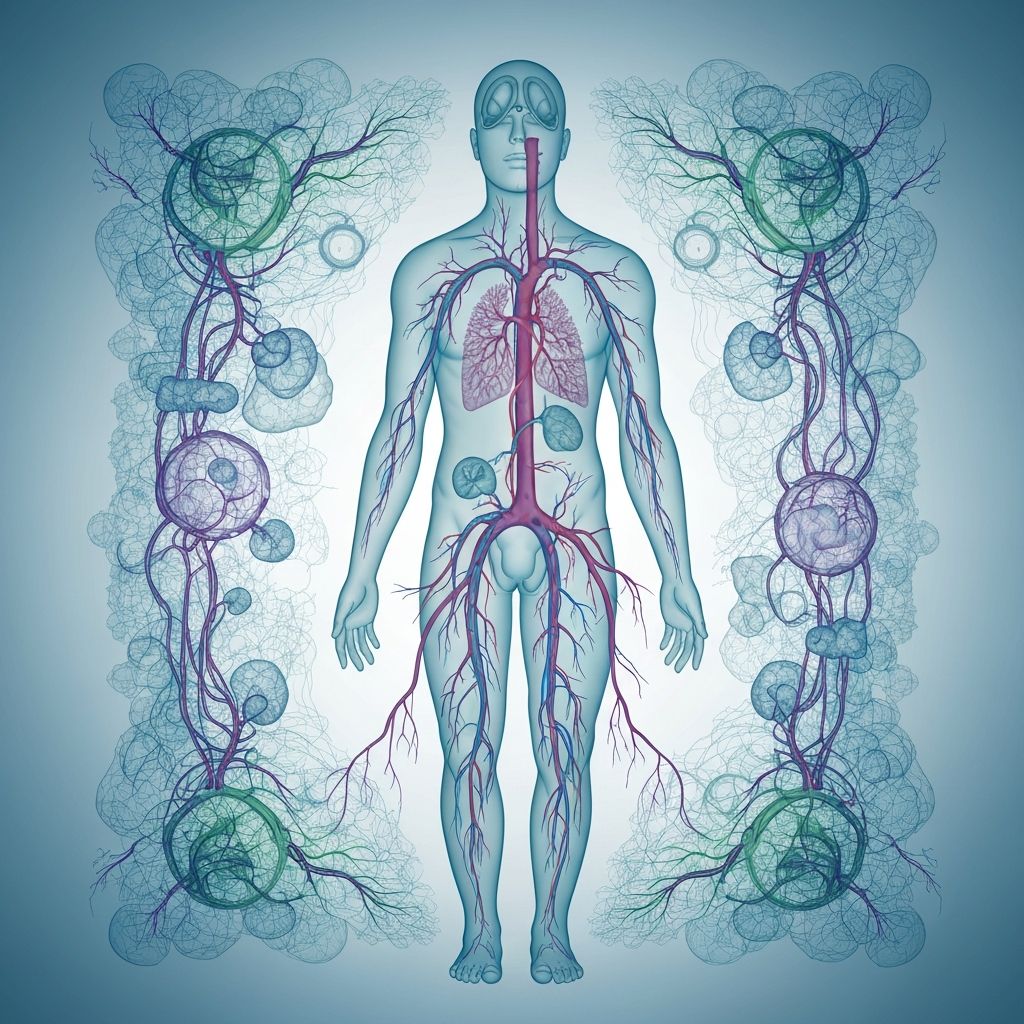
Understanding Homeostasis
Homeostasis represents one of the fundamental principles of biological organization. The term describes the tendency of biological systems to maintain stable internal conditions despite external changes. Energy balance represents a critical aspect of this homeostatic regulation—your body continuously adjusts energy processes to maintain equilibrium between intake and expenditure.
This homeostatic regulation occurs through multiple systems working in concert. Your nervous system, endocrine system, digestive system, and metabolic tissues all contribute to maintaining energy stability. The brain acts as a central coordinator, continuously receiving and processing signals about energy status and adjusting physiological responses accordingly.
Energy Intake and Digestive Processing
When food enters your digestive system, a complex cascade of events begins. Mechanical and chemical processes break food into absorbable components. The digestive system extracts nutrients while signaling systems communicate information about food intake to the brain.
Different nutrients trigger different satiety signals. The presence of protein, fat, and carbohydrates activates various hormones and neural signals that communicate fullness to the brain. Glucose entering the bloodstream activates specific response mechanisms. Fats trigger cholecystokinin release, affecting appetite signaling. These multiple pathways ensure diverse signaling systems contribute to energy balance regulation.
Metabolic Regulation and Energy Expenditure
Metabolic rate—the amount of energy your body expends at rest and during activity—varies among individuals and changes based on multiple factors. Resting metabolic rate reflects the energy cost of maintaining basic physiological functions including circulation, respiration, protein synthesis, and cellular processes.
Thyroid hormones regulate metabolic efficiency. Cold exposure increases metabolic rate to generate body heat. Physical activity and muscle contractions consume significant energy. Stress hormones influence metabolic processes. These multiple regulatory pathways create a complex system where metabolic rate responds to physiological demands and environmental conditions.
Hormonal Regulation Systems
Hormonal regulation provides crucial feedback mechanisms for energy balance. Leptin, produced by fat tissue, signals energy stores to the brain. Insulin, released after eating, facilitates nutrient uptake and storage. Glucagon, released during fasting, promotes nutrient mobilization. Cortisol affects metabolism and energy utilization patterns.
These hormones create feedback loops where changes in energy status trigger hormonal adjustments that initiate compensatory responses. When energy intake decreases, hormonal changes occur that increase appetite signaling and decrease energy expenditure. When energy consumption increases, opposing changes occur. This bidirectional regulation helps maintain balance.
Neural Signaling and Appetite Regulation
The hypothalamus, a brain region approximately the size of an almond, serves as the central regulator of energy balance. Specialized neurons in the hypothalamus respond to hormonal signals, nutrient sensing, and temperature changes. These neural circuits generate sensations of hunger and satiety that influence eating behavior.
Appetite regulation involves multiple neurotransmitters and neuropeptides. Orexigenic pathways promote eating behavior; anorexigenic pathways inhibit eating. These counterbalancing systems create flexible regulation rather than rigid control, allowing appetite to adjust based on energy needs and current energy status.
Metabolic Adaptation and Individual Variation
Metabolic systems demonstrate remarkable adaptation to changing conditions. During periods of reduced energy intake, metabolic rate may decrease to conserve energy. During periods of increased activity, metabolic efficiency may increase. These adaptations occur through changes in hormone levels, enzyme activity, and cellular function.
Individual variation in these regulatory systems creates important differences in energy balance among people. Genetic factors influence baseline metabolic rate, hormonal sensitivity, and appetite regulation mechanisms. Age, sex, body composition, and fitness level affect metabolic function. Environmental factors including sleep, stress, and physical activity influence hormonal regulation.
Practical Implications
Understanding energy balance regulation explains why simple "calories in, calories out" framing oversimplifies biological reality. Energy balance represents a dynamic, regulated process involving multiple interconnected systems. Individual responses to dietary changes vary because underlying regulatory systems differ among people.
Weight stability reflects homeostatic regulation where energy intake, energy expenditure, and storage mechanisms maintain equilibrium. Changes in body composition result from sustained alterations in this equilibrium across time. The complexity of these systems explains why sustainable changes in body composition develop gradually rather than rapidly.
Educational Content
This article presents scientific information about physiological mechanisms underlying energy balance. It is provided for educational purposes only and should not be construed as medical advice or personalized guidance. Individual physiology varies significantly, and changes to diet or activity should be implemented thoughtfully with consideration for personal circumstances.
Continue Learning
Explore more educational articles about nutrition and physiology.
View All Articles